Synopsis
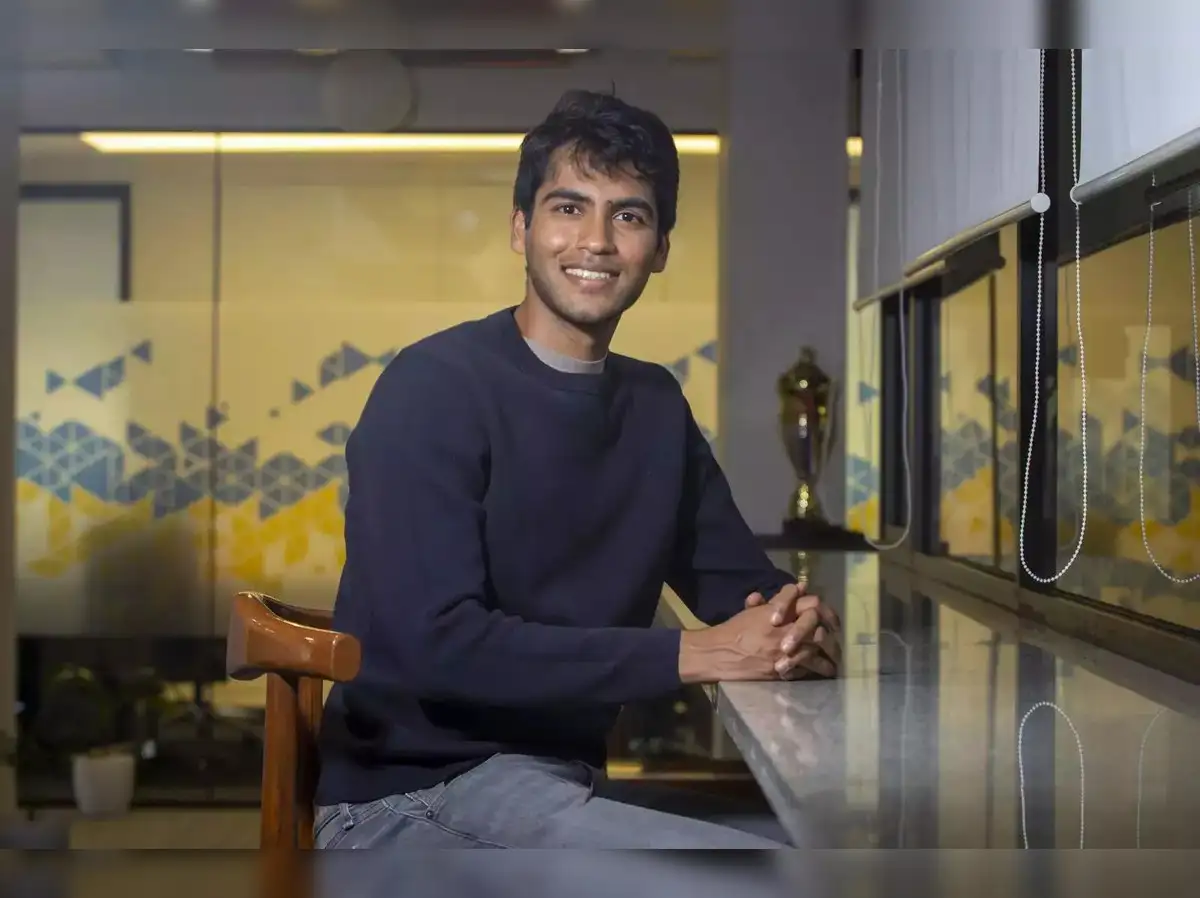
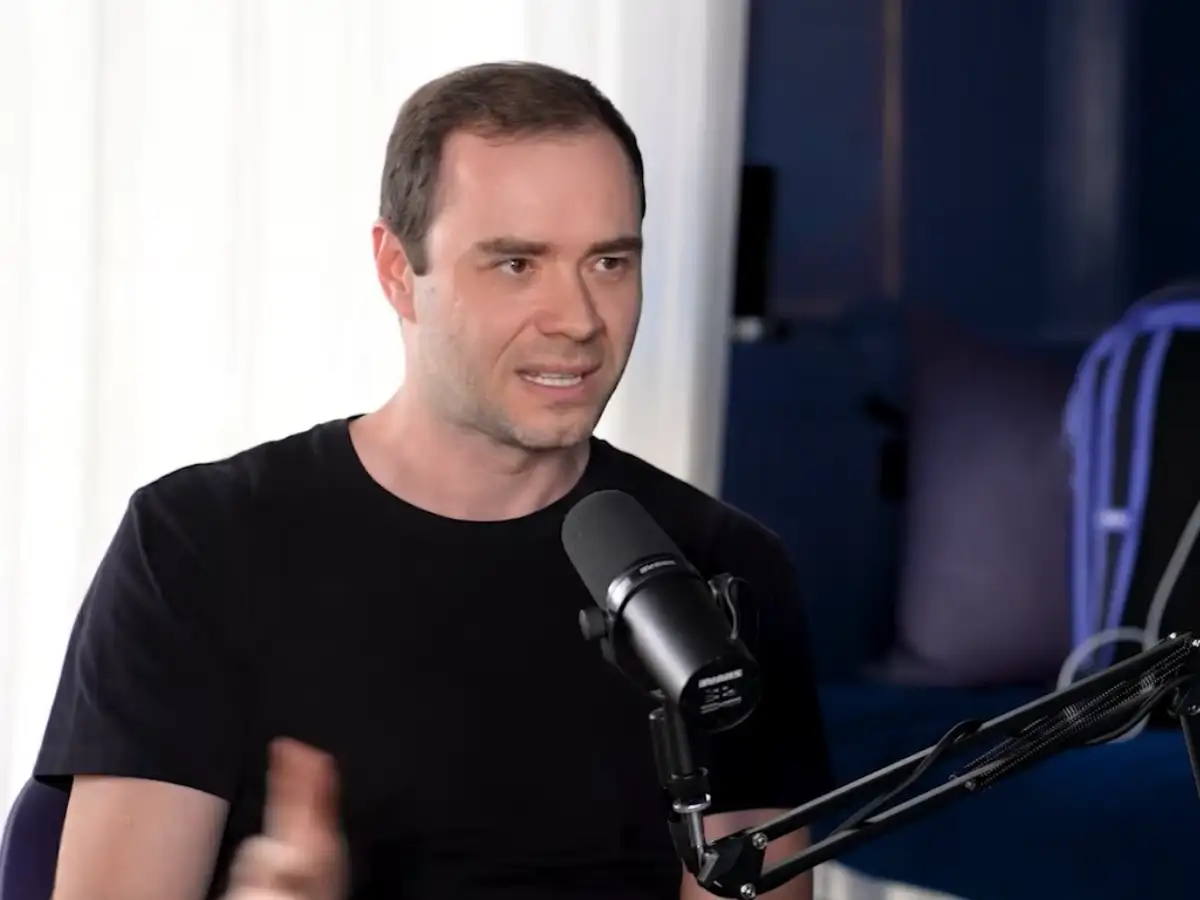
In an interview with No Priors on Friday, Karpathy said he is in a perpetual state of “AI psychosis," which refers to an intense focus on using AI tools, believing that their rapidly expanding capabilities make almost anything possible. He now spends long stretches “expressing intent” to AI systems rather than directly programming. According to Karpathy, the main bottleneck is no longer computing power but the human ability to effectively direct AI systems.“December is when something really flipped. I went from mostly writing code myself to mostly delegating it to agents. And by now, it’s even more than that; I haven’t typed a line of code since.”
"I am in this perpetual state of AI psychosis because of what you can achieve as an individual," he added.
AI psychosis refers to an intense, obsessive focus on using AI tools, driven by the feeling that their rapidly expanding capabilities make almost anything possible.
In an interview with No Priors on Friday, Karpathy shared that he now spends long stretches “expressing intent” to AI systems rather than directly programming, marking what he called a fundamental change in engineering workflows.
Karpathy highlighted the emergence of what he called "claws."
Claws are persistent AI systems that operate continuously, even without direct user interaction. These systems can execute tasks in the background.
He suggested this layer could represent the next step beyond session-based agents, enabling more autonomous and long-running workflows.
From coding to expressing intent
Karpathy said the very notion of “coding” is becoming outdated. He described working “for 16 hours a day” guiding multiple agents to deliver the required results.
He added that many outside the field may not yet grasp how dramatically everyday software development has already evolved.
Productivity now limited by human skill, not compute
Despite the increase in capability, Karpathy argued that the main bottleneck is no longer computing power but the human ability to effectively direct AI systems.
When tasks fail, he said, it often feels like a “skill issue," not a limitation of the technology, but of how instructions are given or systems are configured.
Improving prompts, memory systems, and coordination between agents becomes the new form of expertise, he said.
Engineers as managers of multiple agents
Karpathy described a new model where developers oversee multiple AI agents working in parallel across different tasks.
Instead of editing functions or debugging lines, engineers now assign entire features or projects to separate agents. These agents may simultaneously write code, conduct research, and propose implementation plans.
He further noted that different systems exhibit distinct “personalities,” which can influence user experience and productivity. More engaging or responsive agents, he said, feel like collaborators rather than tools, affecting how effectively humans work with them.