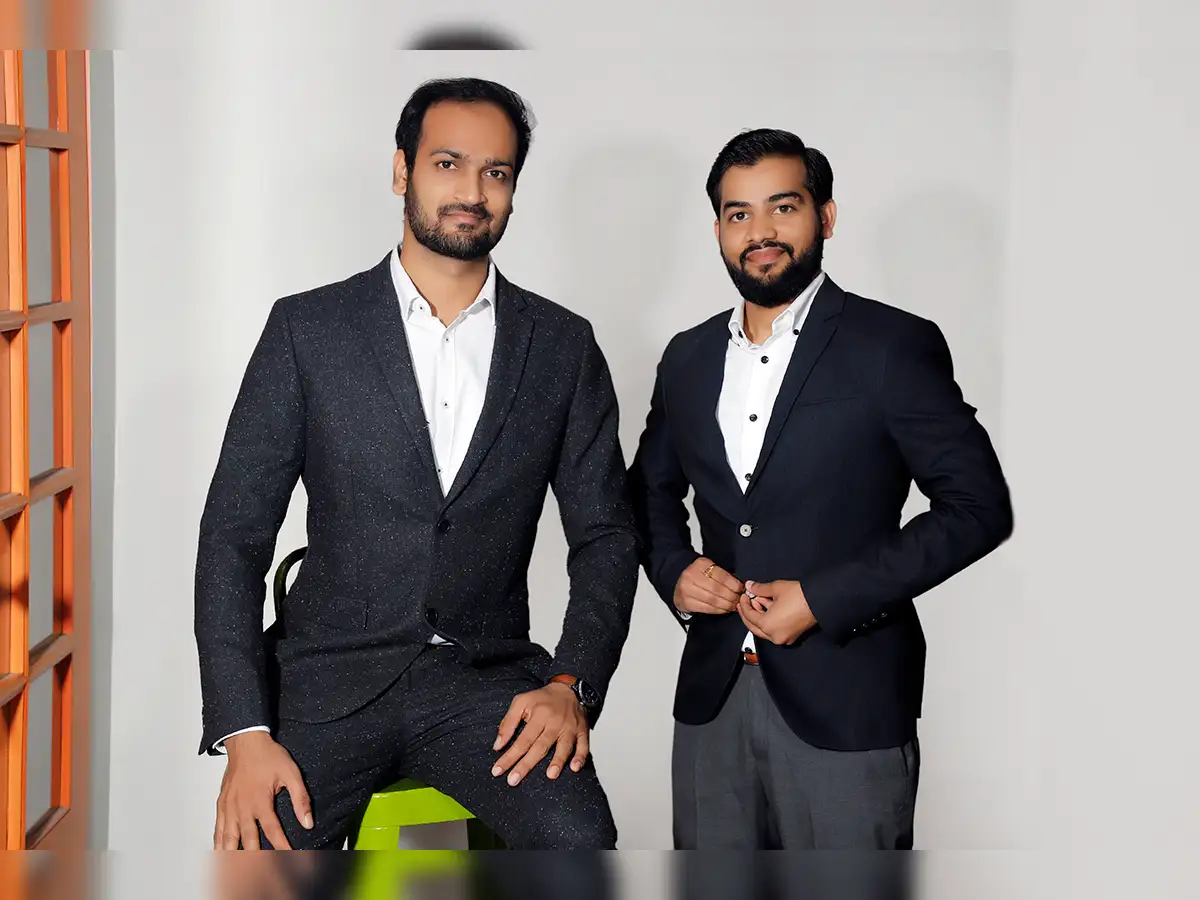
Harshil Mathur, CEO of Razorpay, utilizes AI agents to manage his calendar, highlight key stories, and organize travel plans. As a leader in India's fintech sector, he champions the adoption of these technologies to streamline daily tasks for professionals.
At the recent FTX event, Razorpay gathered prominent figures from the AI landscape, including representatives from OpenAI and Nvidia, to announce partnerships centered around advanced technologies.
Among the highlights was the launch of the Agentic AI studio in collaboration with Anthropic, aimed at enhancing e-commerce experiences by allowing AI agents to manage food orders and payments seamlessly.
Mathur emphasized the necessity of this strategic pivot, noting that Razorpay's existing user base of small merchants already relies on its services for more than just transactions.
Expanding Beyond Payments
Razorpay is evolving from a payments-focused entity to a comprehensive operating system for businesses. The new AI-Native Agents Studio serves as a marketplace where businesses can access specialized agents to tackle various operational challenges.
- Abandoned Cart Conversion Agent: Engages customers who leave mid-checkout, offering incentives to complete their purchase.
- Dispute Responder Agent: Automates chargeback investigations and documentation.
- Subscription Recovery Agent: Works to re-engage customers who have lapsed on subscriptions.
- Cashflow Forecaster Agent: Analyzes payment patterns to identify potential liquidity issues.
Mathur assures that using these agents requires no technical expertise; they can be operated through simple voice commands, making them accessible to small businesses across India.
Cost-Efficient Solutions
The cost structure of these agents is designed to align with small business economics. Unlike traditional fixed-cost operations teams, agents are activated only when needed, allowing businesses to optimize expenses effectively.
Mathur believes that this model will empower small businesses to scale without the burden of high operational costs, enabling them to focus on growth rather than administrative challenges.
Future Developments
Looking ahead, Razorpay plans to give merchants control over the specific functionalities of their agents, catering to different business needs and budgets. This flexibility will allow merchants to choose the level of service that aligns with their operational capabilities.
The platform will also support custom agent creation, enabling businesses to define specific tasks in plain language and integrate them with existing systems without coding.
Deepening Merchant Relationships
This transformation positions Razorpay as not just a payment processor but as an integral part of the business infrastructure for its partners. By embedding its services into daily operations, Razorpay aims to establish recurring revenue streams beyond traditional payment processing.
Mathur asserts that the company's focus is on building a comprehensive commerce infrastructure, not just facilitating transactions.
Consumer-Facing Innovations
In addition to B2B solutions, Razorpay is developing consumer-facing capabilities that allow AI agents to handle transactions on behalf of users, enhancing the overall shopping experience.
This strategic direction could place Razorpay at the center of the commerce journey, fundamentally changing how payments are integrated into customer interactions.
Looking Ahead
With plans to return to profitability by FY26, Razorpay is poised to leverage its AI-driven transformation as a compelling narrative for potential investors ahead of its IPO.
Mathur emphasizes that Razorpay's goal is to redefine its identity, positioning itself as an AI-native company and a comprehensive operating system for businesses, with payments at its core.